

Help
An assembly is a group of members of an organization who meet periodically to make decisions about a specific area or scope of the organization.
Assemblies hold meetings, some are private and some are open. If they are open, it is possible to participate in them (for example: attending if the capacity allows it, adding points to the agenda, or commenting on the proposals and decisions taken by this organ).
Examples: A general assembly (which meets once a year to define the organisation's main lines of action as well as its executive bodies by vote), an equality advisory council (which meets every two months to make proposals on how to improve gender relations in the organisation), an evaluation commission (which meets every month to monitor a process) or a guarantee body (which collects incidents, abuses or proposals to improve decision-making procedures) are all examples of assemblies.
Municipal Council
Bikok Municipality
About this assembly
The municipal council is the deliberative assembly of the municipality, composed of elected councilors whose number varies according to the size of the population. Under the leadership of the mayor, who holds executive power, this body defines the major local policies through the adoption of the budget and the management of municipal assets. Its operation is based on a clear hierarchy where deputy mayors support the mayor in specific areas, while specialized committees study issues before they are presented in public sessions.
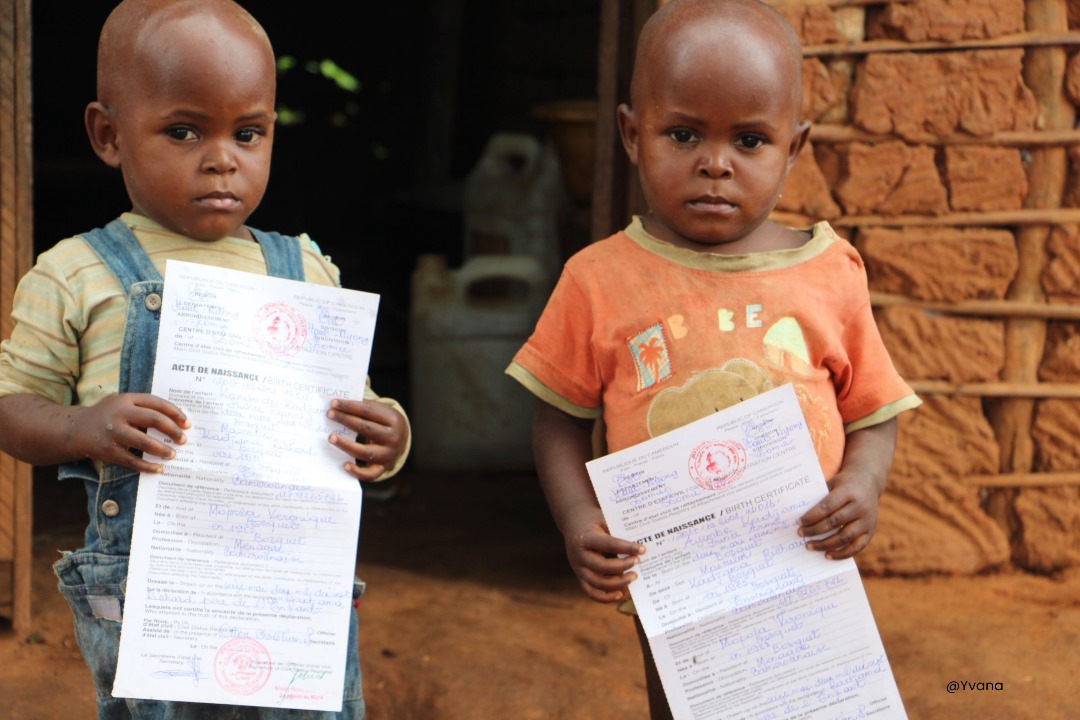
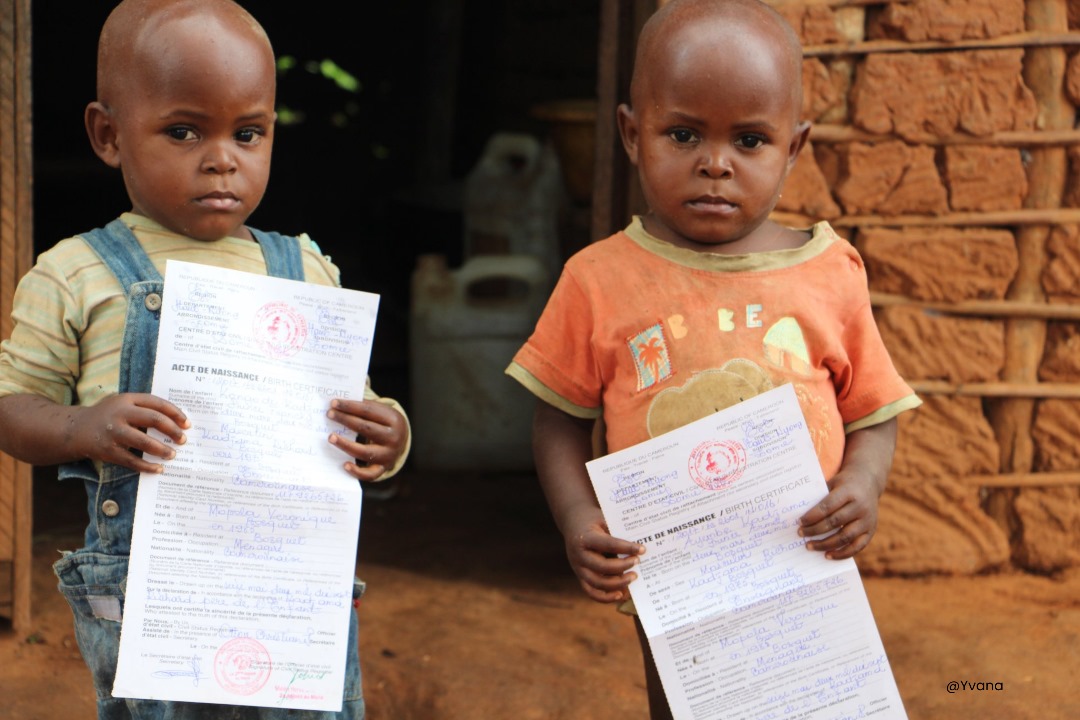
On a daily basis, the council's responsibilities revolve around public service and local development. It performs core functions such as managing civil registration, while also overseeing urban planning, the maintenance of primary schools, and local social services. As a pillar of local democracy, the municipal council works to maintain social cohesion and meet the concrete needs of residents, thus guaranteeing a high quality of life within the community.